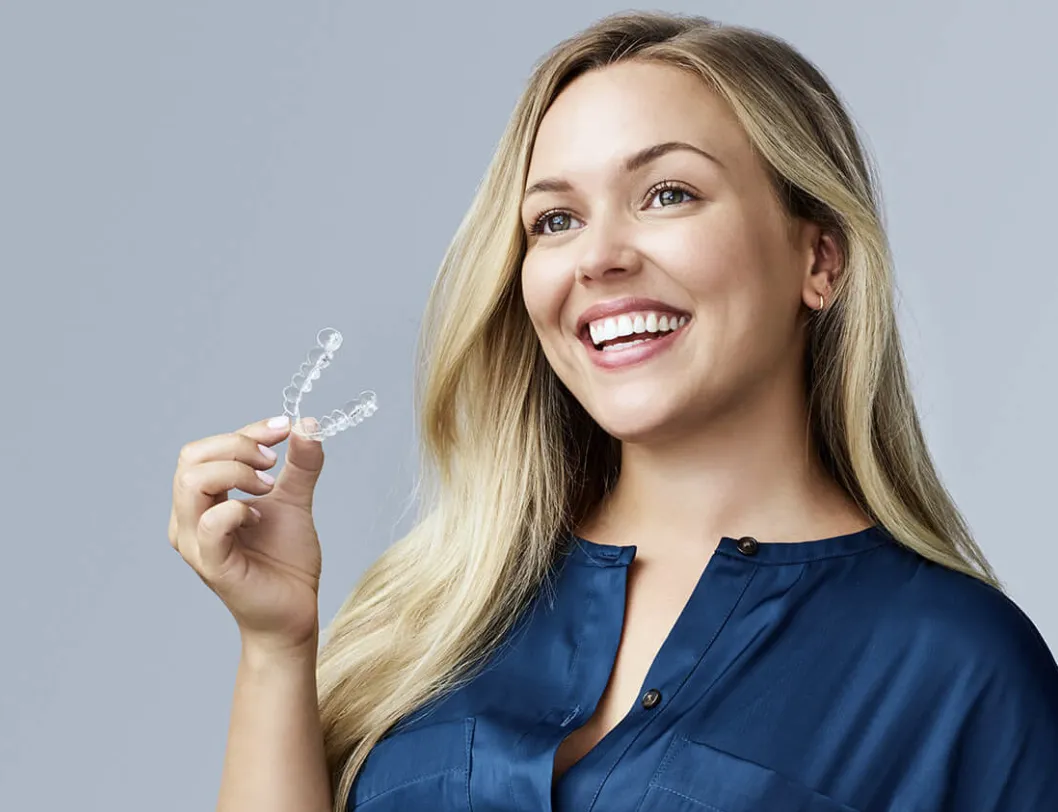
Invisalign: Uncovering the Role of Biofeedback in Personalised Smile Alignment

Introduction

The evolution of orthodontic treatment has witnessed remarkable advancements in recent years, particularly with the emergence of clear aligner therapy. Invisalign Sydney practitioners have observed a significant shift in how patients interact with their dental treatment, largely due to the integration of biofeedback mechanisms in modern orthodontic care.

Understanding Biofeedback in Clear Aligner Therapy

The Science Behind Personalised Treatment

Biofeedback in clear aligner therapy represents a sophisticated approach to dental correction, where advanced 3D imaging and pressure-sensing technologies guide precise tooth movements. This technological integration allows for real-time monitoring of treatment progress and adjustment of alignment strategies as needed.

Key Components of Biofeedback Systems

The biofeedback mechanism in clear aligner therapy comprises several essential elements:

  • Pressure sensors that monitor aligner fit
  • Digital scanning technology for progress tracking
  • Automated wear-time monitoring
  • Real-time treatment progression analysis

The Impact of Patient Engagement

Modern clear aligner therapy has revolutionised the way patients participate in their orthodontic treatment. Research indicates that enhanced patient engagement through biofeedback systems significantly improves treatment outcomes. This technological advancement has made Invisalign Sydney treatments increasingly popular among those seeking dental alignment solutions.

Personalisation Through Technology

The incorporation of biofeedback mechanisms allows for unprecedented levels of treatment personalisation. Each patient’s unique dental structure and movement patterns are carefully monitored and analysed, enabling practitioners to make informed adjustments to treatment plans. This level of customisation ensures that each aligner is optimally designed to achieve the desired results whilst maintaining patient comfort.

Monitoring and Adjustment Protocols

Treatment monitoring protocols typically include:

  1. Regular digital scans to track progress
  2. Analysis of wear patterns and pressure points
  3. Assessment of tooth movement velocity
  4. Evaluation of patient compliance data

Advanced Treatment Optimisation

Precision in Movement Planning

The integration of biofeedback systems allows practitioners to develop highly accurate movement predictions. These predictions take into account various factors such as tooth root position, bone density, and individual biological responses to orthodontic forces. By incorporating detailed biomechanical analysis in clear aligner therapy, practitioners can achieve more predictable outcomes.

Adapting to Individual Needs

Each patient’s response to clear aligner therapy varies, and biofeedback mechanisms help identify these variations early in the treatment process. This enables practitioners to make necessary adjustments promptly, ensuring treatment stays on course. The technology particularly benefits patients with complex dental alignment needs, as it allows for more nuanced approaches to tooth movement.

The Future of Personalised Orthodontics

Emerging Technologies

The field of clear aligner therapy continues to evolve with new technological developments. Current trends indicate that future systems may incorporate:

  • Artificial intelligence for treatment planning
  • Enhanced biomechanical modelling capabilities
  • More sophisticated wear-time tracking
  • Improved patient communication interfaces

Patient Experience Enhancement

The role of biofeedback in clear aligner therapy extends beyond mere technical advancement. It has transformed the patient experience by providing:

  • Greater transparency in treatment progress
  • Improved understanding of treatment mechanics
  • Enhanced motivation through visible progress tracking
  • Better communication between patient and practitioner

Conclusion

The integration of biofeedback mechanisms in clear aligner therapy represents a significant advancement in orthodontic treatment. This technology has revolutionised the way dental practitioners approach smile alignment, offering unprecedented levels of personalisation and precision.

As these systems continue to evolve, patients can expect even more sophisticated and tailored treatment experiences. The future of orthodontic care lies in this perfect blend of technological innovation and personalised treatment approaches, ensuring optimal outcomes for those seeking dental alignment solutions.

Any surgical or invasive procedure carries risks. Before proceeding you should seek a second opinion from an appropriately qualified health practitioner.

Embracing Technology: How Dental Implants Are Becoming Smarter

Introduction to Innovative Dental Implants

The field of dental technology is experiencing a remarkable transformation, particularly in the realm of dental implants. As modern dentistry continues to evolve, practitioners offering dental implants in Canary Wharf and beyond are witnessing an exciting shift towards smarter, more sophisticated implant solutions. These innovations are revolutionising the way dental professionals approach tooth replacement and patient care.

The Evolution of Smart Dental Implants

Traditional dental implants have served patients well for decades, but recent developments in smart implant technology at the University of Pennsylvania are pushing the boundaries of what’s possible in dental care. These advanced implants incorporate sensors and smart materials that can actively monitor oral health conditions and respond to changes in the mouth environment.

Key Features of Smart Dental Implants

  • Real-time monitoring of bite force and pressure
  • Temperature sensing capabilities
  • Bacterial activity detection
  • Self-cleaning surfaces

Revolutionary Benefits for Patients

For patients seeking dental implants Canary Wharf and other metropolitan areas, these technological advancements offer numerous advantages. Smart implant technology is revolutionising oral health monitoring, allowing for early detection of potential complications and improving long-term treatment outcomes.

Enhanced Monitoring Capabilities

One of the most significant advantages of smart dental implants is their ability to provide continuous monitoring of oral health conditions. Research has demonstrated that real-time monitoring systems in dental implants can detect early signs of complications, such as excessive pressure or bacterial growth, before they develop into serious issues.

Improved Patient Care

The integration of smart technology into dental implants enables practitioners to offer more personalised and proactive care. These advanced systems can alert both the patient and dental professional to potential problems, allowing for timely interventions and adjustments to treatment plans. For those considering dental implants, this means access to cutting-edge technology that can significantly improve their dental health outcomes.

Integration with Digital Health Systems

Smart dental implants are increasingly being designed to integrate seamlessly with broader digital health ecosystems. This connectivity allows for comprehensive health monitoring and data collection, which can be invaluable for both patients and healthcare providers. The information gathered can help identify patterns and potential issues before they become serious concerns.

Data-Driven Decision Making

The wealth of data provided by smart dental implants enables practitioners to make more informed decisions about patient care. This information can be particularly valuable for:

  • Adjusting treatment plans based on real-time feedback
  • Predicting potential complications before they arise
  • Optimising maintenance schedules
  • Improving long-term implant success rates

Future Developments and Possibilities

The future of smart dental implants holds even more promising developments. Researchers are currently exploring additional features such as drug delivery systems and enhanced biocompatibility. These advances could potentially revolutionise how dental implants function and interact with the human body.

Emerging Technologies

Several exciting developments are on the horizon, including:

  1. Implants with built-in antibacterial properties
  2. Systems that can adjust to changes in bite force automatically
  3. Enhanced integration with natural tooth structure
  4. Advanced healing promotion capabilities

Conclusion

The advancement of smart dental implant technology represents a significant leap forward in dental care. These innovations are transforming the way dental professionals approach implant treatments and how patients experience their dental care journey. As technology continues to evolve, patients can expect even more sophisticated and effective solutions for their dental needs.

The integration of smart technology in dental implants is not just about improving the immediate success of the procedure; it’s about creating a more comprehensive, long-term solution for dental health. This technological revolution in dentistry is setting new standards for patient care and treatment outcomes, making the future of dental implants more promising than ever before.

Veneers Unveiled: Crafting Confidence through Dental Innovation

Introduction to the World of Veneers

In the realm of modern dentistry, veneers have emerged as a transformative solution for those seeking to enhance their smile. This dental innovation, often associated with high-profile makeovers, offers both aesthetic and functional benefits. Whether it’s correcting minor misalignments or concealing discolourations, veneers hold the promise of a renewed sense of confidence.

The Anatomy of a Veneer

What are Veneers?

Veneers are thin, custom-made shells designed to cover the front surface of teeth. Constructed from porcelain or composite resin, they mimic the appearance of natural teeth while providing resilience and durability. Porcelain veneers, in particular, are renowned for their ability to resist stains and reflect light similarly to natural teeth, making them a popular choice among patients and dentists alike.

The Process of Getting Veneers

  1. Consultation: The journey begins with an initial consultation where the dentist evaluates the suitability of veneers for the patient. This involves a comprehensive examination and discussion of the desired outcome.
  2. Preparation: Once deemed suitable, the dentist prepares the tooth surface. This may involve removing a small amount of enamel to create space for the veneer.
  3. Impression: An impression of the tooth is taken to craft a veneer that fits precisely.
  4. Bonding: Finally, the veneer is bonded to the tooth using a special adhesive, ensuring a secure and natural-looking fit.

Those interested in learning more about the intricacies of dental veneers can explore details on veneer procedures and benefits.

The Benefits of Veneers

Cosmetic Enhancements

  • Smile Aesthetics: Veneers can dramatically enhance the appearance of a smile by addressing issues such as chipped teeth, gaps, or discolourations.
  • Natural Appearance: With advances in dental technology, veneers closely resemble natural teeth, offering a seamless integration into one’s existing smile.
  • Stain Resistance: Porcelain veneers, in particular, are resistant to coffee, tea, and smoking stains, ensuring a long-lasting bright smile.

Functional Improvements

Apart from their cosmetic benefits, veneers also provide functional advantages. They can reinforce weakened teeth and restore their structure, thus improving the overall oral function. More information on the functional aspects of veneers can be found through this detailed guide on dental veneers.

Veneers Liverpool: A Hub of Innovation

Liverpool has become a hub for dental innovation, with many seeking veneers Liverpool to rejuvenate their smiles. The city’s dental professionals are renowned for their expertise and use of cutting-edge technology, ensuring patients receive top-tier care and results that exceed expectations.

For those interested in understanding the broader impact of veneers in the dental industry, this comprehensive overview of the dental veneer market offers valuable insights.

Conclusion: Embracing a New Era of Smiles

As dental technology continues to evolve, veneers stand out as a testament to the power of innovation in enhancing human confidence and well-being. They offer a unique blend of cosmetic and functional benefits, making them a preferred choice for those looking to transform their smiles. With advancements spearheaded in places like veneers Liverpool, the future of dental aesthetics holds promising possibilities for everyone seeking to unveil their best smile.