Deep Roy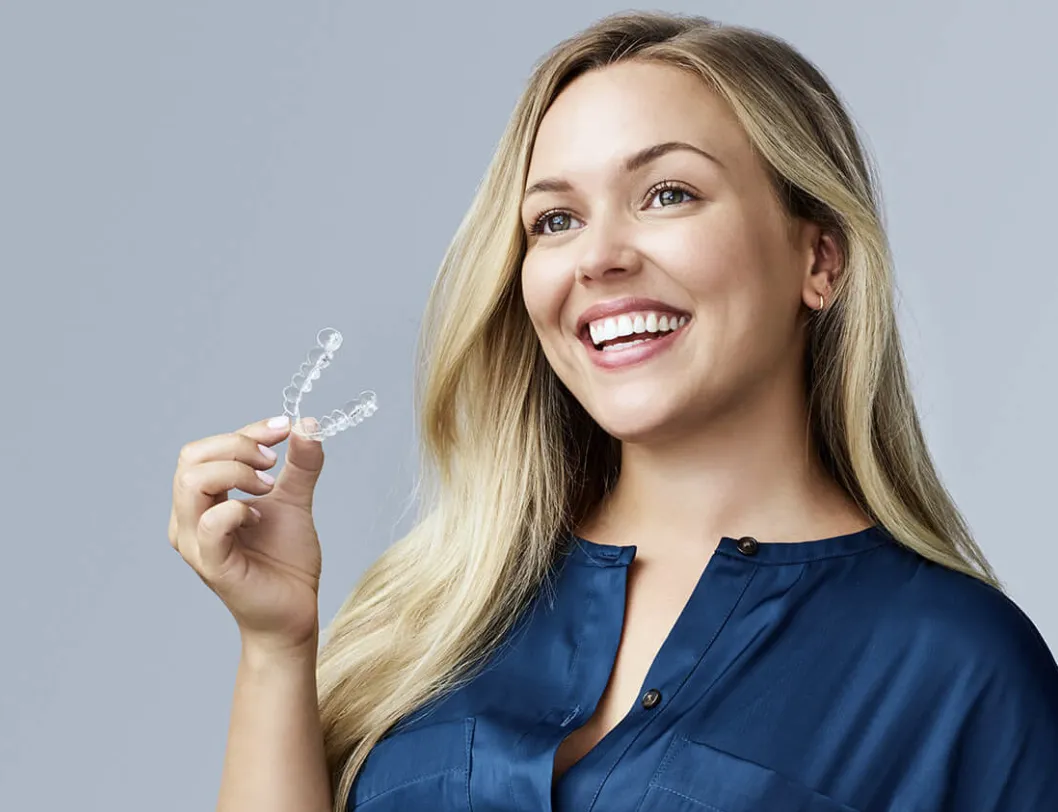
Understanding the Delicate Balance of Enamel Preservation
Tooth enamel stands as the hardest substance in the human body, yet it remains remarkably vulnerable during orthodontic treatment. When teeth shift position, the protective outer layer faces unprecedented challenges from brackets, wires, and the complex biomechanics of movement itself. Modern orthodontics has evolved to address these concerns, with Invisalign Luton offering a fundamentally different approach to preserving enamel integrity throughout the treatment journey.
The relationship between orthodontic intervention and enamel health has long been a subject of clinical scrutiny. Traditional metal brackets require direct bonding to tooth surfaces, creating areas where plaque accumulates and demineralisation can occur. Clear aligners reduce the risk of enamel wear by eliminating the need for permanently fixed appliances, allowing patients to maintain their natural oral hygiene routines with minimal disruption.
The Science Behind Enamel-Friendly Tooth Movement
Orthodontic movement functions through controlled pressure applied to teeth, stimulating bone remodelling whilst simultaneously placing stress on the enamel surface. The key to protecting enamel lies in the distribution and consistency of these forces. Clear aligner technology employs computer-aided design to calculate precise force vectors, ensuring that pressure remains within biologically optimal parameters throughout each stage of treatment.
Reduced Surface Abrasion
Unlike conventional braces with metal components that can create friction against enamel, clear aligners utilise smooth thermoplastic materials that glide over tooth surfaces. This fundamental design difference eliminates the micro-abrasions that accumulate over months of treatment, preserving the enamel’s natural lustre and structural integrity. Research has demonstrated that removable aligners maintain better periodontal health during orthodontic treatment, contributing to overall enamel preservation.
Enhanced Hygiene Access
The removable nature of clear aligners represents perhaps their most significant advantage for enamel protection. Patients can brush and floss without navigating around brackets and wires, ensuring thorough plaque removal from all tooth surfaces. This accessibility directly correlates with reduced demineralisation, as bacteria have fewer opportunities to produce the acids that erode enamel. Understanding how to preserve tooth enamel becomes considerably more straightforward when orthodontic appliances don’t permanently occupy the dental landscape.
Minimising Chemical Erosion During Treatment
The chemical environment surrounding teeth during orthodontic treatment plays a crucial role in enamel preservation. Fixed appliances create numerous retention sites where food particles and bacteria congregate, leading to prolonged acid exposure. Clear aligners dramatically reduce these stagnation zones, as patients remove them during meals and can immediately cleanse their teeth afterwards. This interruption of the acid attack cycle proves essential for maintaining the mineral content of enamel throughout the treatment period.
Saliva flow and its protective buffering capacity also benefit from the absence of fixed metalwork. Traditional braces can impede natural saliva circulation around teeth, reducing the mineral-rich fluid’s ability to remineralise early enamel lesions. The minimal profile of clear aligners preserves normal salivary function, allowing the mouth’s natural defence mechanisms to operate at full capacity throughout orthodontic movement.
Controlled Force Application
The staged approach inherent to clear aligner treatment distributes orthodontic forces more evenly across treatment duration. Each aligner in the sequence moves teeth incrementally, typically between 0.25 and 0.33 millimetres per stage. This gradual progression prevents the excessive force concentrations that can damage enamel at bracket attachment points. For those seeking Invisalign Luton practitioners can explain how this controlled movement pattern protects tooth structure whilst achieving desired results.
Long-Term Benefits for Dental Health
Enamel preservation during orthodontic treatment extends far beyond aesthetic considerations. Intact enamel provides superior protection against temperature sensitivity, decay, and structural compromise in the decades following treatment completion. Patients who maintain optimal enamel thickness throughout their orthodontic journey enjoy better long-term oral health outcomes, with reduced requirements for restorative interventions later in life.
The psychological benefits of enamel-conscious orthodontics deserve recognition as well. Patients who complete treatment with healthy, lustrous enamel feel greater confidence in their results and demonstrate improved compliance with ongoing maintenance protocols. This positive reinforcement cycle contributes to sustained oral health habits that benefit patients throughout their lifetime, making the choice of orthodontic method a decision with implications reaching far beyond the treatment period itself.