Deep Roy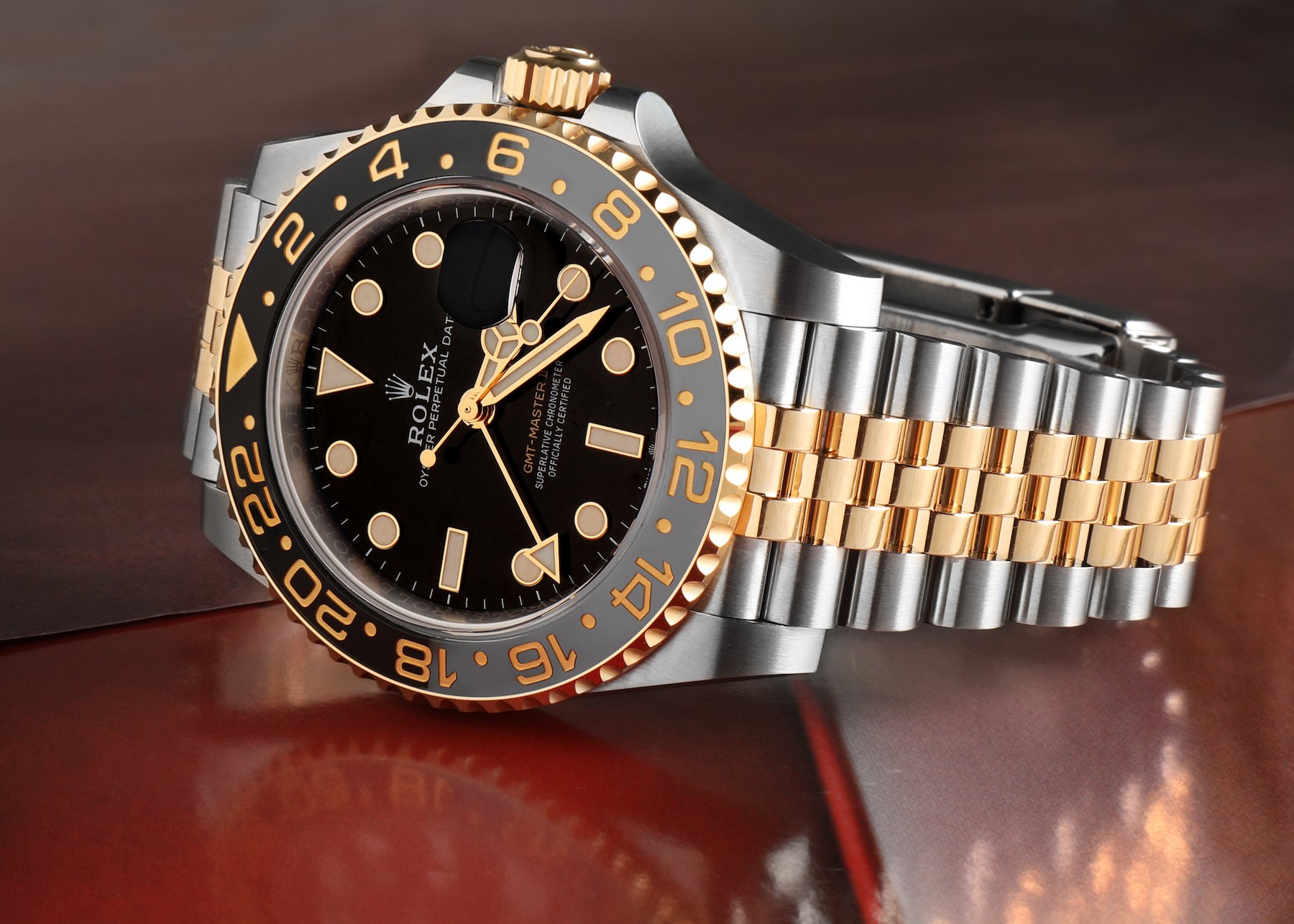
A polished exterior grabs your eye. Inspection is what actually tells you anything. Photography has changed how people size up super clone watches for sale. A good high-res shot can make a polished case, a textured dial, an intricate bracelet look flawless. Collectors and watchmakers who’ve been doing this a while still won’t form an opinion off a photo, though. The closer you actually look at a watch, the less the conversation is about looks and the more it’s about how the thing was made, put together, and whether it’ll hold up.
Past the Obvious Stuff
First pass is usually the visible things case finishing, whether the dial’s symmetrical, how the hands line up against the hour markers. That’s what everyone checks first.
Then the attention moves.
Small inconsistencies get a lot easier to spot under magnification. Printing that looked crisp turns out slightly uneven. Polished edges vary section to section. Tiny gaps between parts show upand honestly those gaps say more about how the super clone watches for sale was made than the design ever could.
Consistency Is the Actual Benchmark
One nicely finished piece doesn’t tell you anything about the other nine hundred that came off the same line.
Manufacturers serious about quality control aim for consistency at every stage, not just a final check meant to catch whatever slipped through. That cuts down on variation before assembly even starts.
Common things they track:
- Component dimensions
- Surface finish quality
- Dial and hand alignment
- Bracelet fit and flex
- Functional testing post-assembly
Every checkpoint nudges the outcome toward something more predictable.
Testing Isn’t Just About Looks
Quality assurance doesn’t stop at “does it look right.”
Before a watch ships, manufacturers commonly run it through:
- Timekeeping measurements
- Power reserve checks
- Water resistance testing under pressure
- Crown operation checks
- Clasp security inspection
- Hand alignment across a full movement cycle
Some of these take seconds. Others need extended observation before you can trust the results.
Materials Are Only Half the Picture
Sapphire crystal, steel grades, ceramic bezels easy to talk about because they’re easy to compare.
What gets less attention is how those materials actually got processed. Even brushing, clean polish transitions, accurate machining, careful assembly these shape perceived quality about as much as the materials themselves do.
A spec sheet tells you what a watch is made from. It says nothing about how carefully any of it was handled.
Patience Pays Off Here
New collectors gravitate toward specs because they’re an easy comparison point. Most people figure out eventually that manufacturing consistency matters just as much, if not more.
The watches that keep earning appreciation over time are usually the ones where machining, finishing, assembly, and inspection all support each other without any single piece standing out. Quality, a lot of the time, isn’t one impressive detail it’s just the quiet absence of anything wrong.